

Commercial Concrete Warrnambool
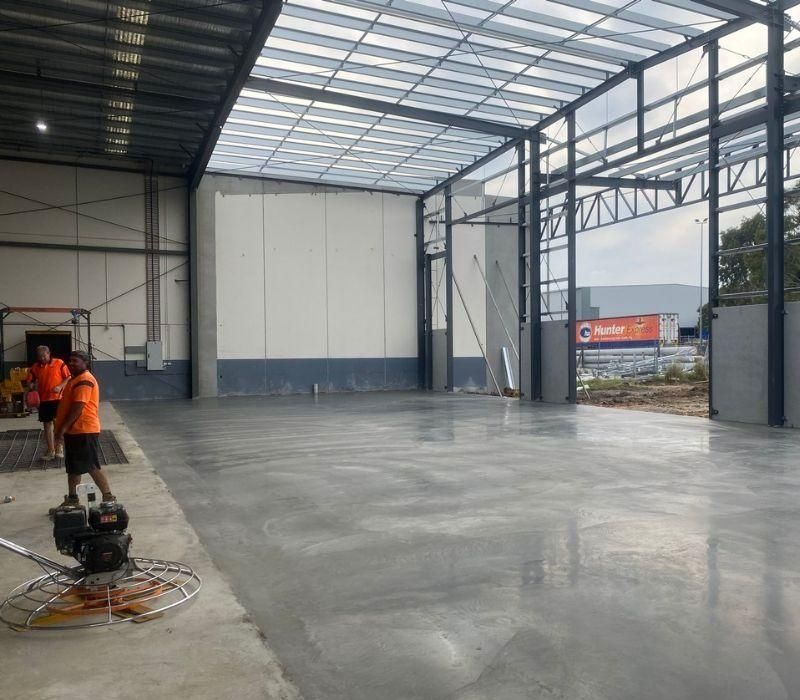
A commercial concrete slab construction undertaken by a contractor in Warrnambool involves a carefully managed sequence of works to ensure the finished slab is durable, level, and capable of supporting commercial or industrial loads. The process begins with thorough site preparation, where the area is cleared of vegetation, topsoil, and any unsuitable material. The ground is then excavated and shaped to the required levels before being compacted to form a stable subgrade. Depending on soil conditions commonly found in the Warrnambool region, additional engineered fill or stabilisation may be required to achieve the necessary bearing capacity and reduce the risk of future movement or settlement.
Once the base is properly prepared, formwork is set out to define the slab’s shape, thickness, and finished levels. At this stage, any required underground services such as plumbing, electrical conduits, or drainage sleeves are positioned and secured in place to ensure they are fully integrated into the slab. A vapour barrier or plastic membrane is then laid over the compacted base to prevent moisture ingress from the ground, which is particularly important for commercial floors where durability and internal moisture control are essential.
Steel reinforcement is then installed in accordance with engineering specifications. This typically includes reinforcing mesh and/or rebar, which is carefully positioned using spacers to ensure correct placement within the slab depth. For heavier-duty commercial applications, post-tensioning systems may also be incorporated to increase strength, control cracking, and improve long-term performance under load.
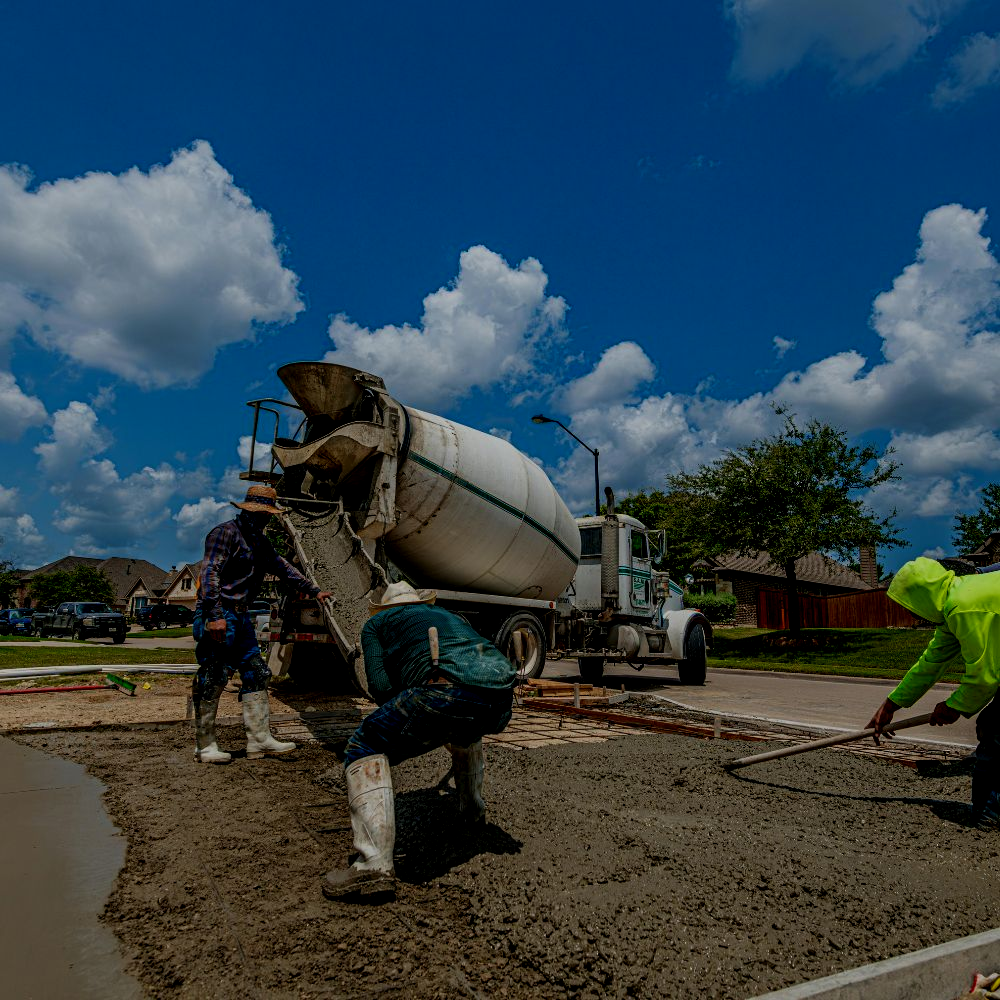
The concrete is then poured, usually using ready-mix concrete delivered directly to site. It is placed evenly within the formwork and distributed to ensure full coverage around reinforcement and embedded services. The surface is then screeded to achieve the correct levels, followed by floating and finishing to suit the intended use of the slab, whether that be a hard-wearing industrial finish for traffic areas or a smoother surface for internal commercial spaces.
After placement and finishing, the curing process begins, which is critical to achieving the designed strength and durability of the slab. The concrete is kept at appropriate moisture and temperature levels through methods such as curing compounds, plastic sheeting, or water curing, depending on site conditions. Proper curing is especially important in coastal environments like Warrnambool, where temperature fluctuations and wind exposure can affect surface performance if not managed correctly.
Finally, control joints are cut or formed into the slab to manage natural shrinkage and reduce the risk of uncontrolled cracking. These joints allow the slab to move in a controlled way as it cures and ages. Once the curing period is complete and the concrete has reached sufficient strength, the slab is ready for structural loading and the next stage of construction.
FAQ
What is included in a commercial concrete slab construction?
A commercial concrete slab construction typically includes full site preparation, excavation, subgrade compaction, installation of formwork, placement of services such as plumbing or electrical conduits, moisture barriers, steel reinforcement, concrete pouring, finishing, curing, and cutting of control joints. Each stage is completed to engineering specifications to ensure the slab can safely support commercial or industrial loads.
How long does it take to complete a commercial concrete slab?
The timeline depends on the size and complexity of the project, site conditions, and weather. In most cases, the physical construction of the slab may take a few days, while the curing process continues for several weeks. In regions like Warrnambool, weather conditions such as rain, wind, and temperature changes can also influence scheduling and curing times.
Why is site preparation so important before pouring concrete?
Proper site preparation ensures the ground beneath the slab is stable, compacted, and able to support the intended load without shifting or settling. If this stage is not done correctly, it can lead to cracking, sinking, or structural issues later on. In commercial construction, this step is critical for long-term performance and durability.
What type of reinforcement is used in commercial slabs?
Most commercial slabs use steel reinforcement such as welded mesh or reinforcing bars (rebar). In heavier-duty applications, post-tensioning systems may also be used to increase strength and reduce cracking. The type of reinforcement is determined by engineering requirements based on the intended use of the slab.
Why is a moisture barrier needed under the slab?
A moisture barrier, usually a plastic membrane, is installed to prevent ground moisture from rising through the concrete. This helps protect flooring systems, reduce dampness issues, and improve the long-term durability of the slab, especially in commercial buildings where internal finishes are important.
How is the concrete finished once it is poured?
After pouring, the concrete is screeded to level it, then floated and finished depending on its intended use. Industrial slabs may have a hard-wearing finish suitable for forklifts and heavy traffic, while other commercial spaces may require a smoother surface for internal flooring systems.
What is curing and why is it important?
Curing is the process of maintaining proper moisture and temperature conditions in the concrete after it has been poured. It allows the slab to reach its designed strength and reduces the risk of cracking or surface defects. Proper curing is essential for ensuring the long-term durability of the slab.
Why are control joints cut into the slab?
Control joints are installed to manage natural shrinkage and temperature-related movement in the concrete. They help control where cracks occur, ensuring any cracking is neat, predictable, and does not affect the structural integrity or appearance of the slab.
When can a commercial slab be used after pouring?
Light foot traffic may be allowed after a short period, but full structural loading should only occur once the concrete has properly cured and reached its required strength. This usually takes several weeks, depending on the mix design, weather conditions, and engineering specifications.